The Evolution of Remote Work: What’s Next in 2025?

Remote work, once considered a rare privilege, is now a core part of modern professional life. By 2025, it has transcended its disruptive beginnings, evolving into a fine-tuned system embraced by businesses and employees alike. The global pandemic gave remote work its initial push, but technological advancements, new workplace philosophies, and shifting societal priorities have kept the momentum strong. Thanks to these factors, the face of work has forever changed, with remote and hybrid models becoming the new standard.
This blog will explore how remote work has evolved, its impact on businesses and employees, and the exciting innovations driving it forward. And, yes, along the way, we’ll even look at how unexpected sectors are adapting to remote trends, including lifestyle products like the Mike Tyson Vape, which embody personalization and convenience in today’s fast-paced world.
The Transformation of Remote Work
From Temporary Fix to Long-Term Norm
When businesses adopted remote work in 2020 as a pandemic survival strategy, many assumed the shift would only last a few months. Fast forward to 2025, and remote work is no longer viewed as a temporary fix but a permanent feature of the professional landscape.
Even formerly traditional industries like finance and law have adapted to flexible work models. Companies now offer hybrid setups as the norm, combining remote and in-office work to provide the best of both worlds. This evolution wasn’t just about mitigating disruptions but also about boosting employee satisfaction and productivity.
Employees, once tethered to office cubicles, now enjoy unprecedented freedom in choosing where and how they work. Whether finishing reports from a beachfront café or brainstorming ideas at home with a device like the Mike Tyson Vape within reach, professionals have more control over their work environment than ever before.
The Role of Technology
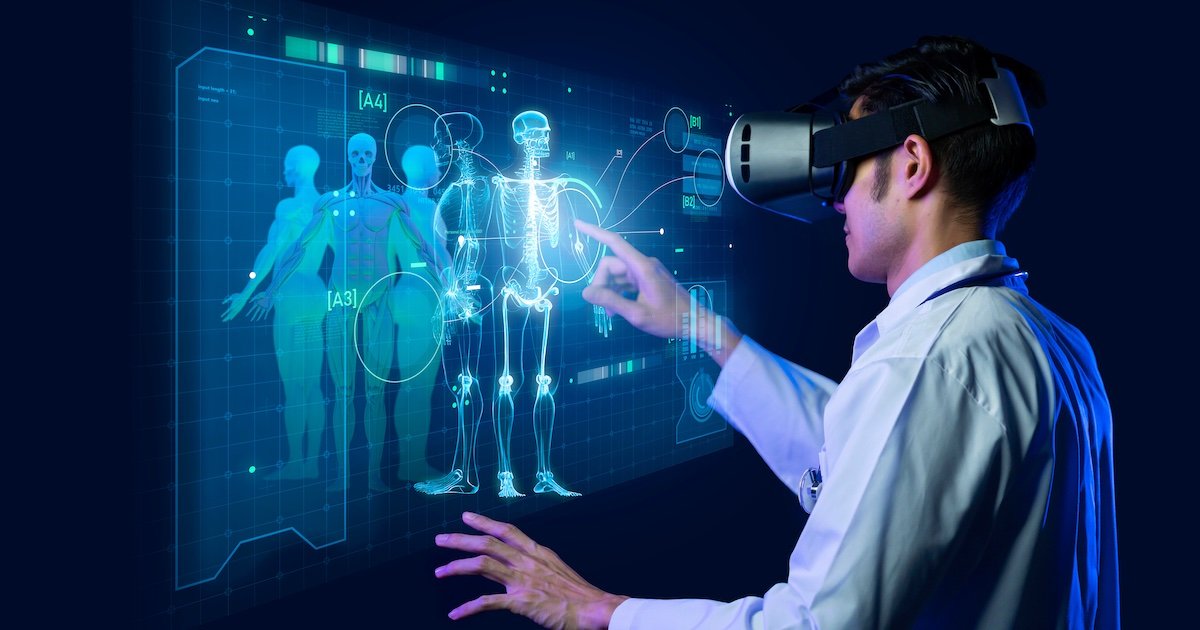
The backbone of remote work is technology. Tools like virtual meeting platforms, collaborative software, and artificial intelligence (AI) have made it possible to work efficiently from virtually anywhere. By 2025, the integration of augmented and virtual reality (AR/VR) has added another layer to remote work. Virtual offices now allow teams to “meet” in shared digital spaces, fostering collaboration without geographical barriers.
Cloud computing has further streamlined remote systems, enabling employees to access files and software securely from any device, and ensuring seamless workflows. With the rise of these innovations, businesses no longer see geography as a limitation for hiring. Top talent from across the globe is now within reach, significantly diversifying workforces.
Shifting Dynamics Between Businesses and Employees
Employee Expectations in 2025
The success of remote work has empowered employees to demand greater work-life balance and flexibility. By 2025, individuals prioritize mental health and family time just as much as career advancement. Survey after survey has shown that workers would rather accept a lower-paying remote or hybrid role than return full-time to a rigid office schedule.
Interestingly, lifestyle trends, like incorporating wellness tools such as aromatherapy or unwinding with the Mike Tyson Vape, reflect employees’ push toward personalization and balance. These adjustments are part of a broader shift toward creating environments conducive to both relaxation and productivity, even during work hours.
This shift in priorities has led to the rise of “work-life integration,” where employees seamlessly weave personal activities throughout their day. The morning might consist of client Zoom calls, followed by an afternoon spent on hobbies or family time, before wrapping up work tasks in the evening. By leveraging asynchronous communication tools, businesses can accommodate these variations in schedules without sacrificing productivity.
How Businesses Are Adapting
To stay competitive and retain top talent, many businesses have embraced the flexibility demanded by the evolving workforce. By 2025, employee satisfaction is recognized as more than just a benefit; it’s a critical component of business success. Forward-thinking organizations invest in wellness programs, virtual team-building activities, and remote work tools to support their staff.
Additionally, companies have begun offering stipends for home office setups and even covering subscriptions for health-focused devices like the Mike Tyson Vape as part of comprehensive wellness perks. These moves highlight how businesses are understanding the direct link between personal well-being and professional output.
The Benefits and Challenges of Long-Term Remote Work
While remote work has brought a wave of benefits, it hasn’t come without its challenges.
Advantages of Remote Work
- Higher Productivity: Many employees cite reduced commuting times and fewer office distractions as reasons for better focus and efficiency at home.
- Cost Savings: Both businesses and employees save money. Companies reduce operational costs by downsizing office spaces, while workers save on commuting and dining expenses.
- Environmental Benefits: With fewer cars on the road, remote work has contributed to lowering carbon emissions, aligning businesses with sustainability goals.
- Access to Global Talent: Companies now hire the best individuals from anywhere in the world, creating global workforces that bring diversity and innovation.
Challenges of Remote Work
- Isolation and Loneliness: Without regular in-person interactions, some employees feel disconnected, leading to decreased morale.
- Blurring Boundaries: The convenience of working from home can make it harder for some employees to “log off,” contributing to burnout.
- Management Overhauls: Leading a remote team requires a different skill set. Managers must nurture trust while ensuring accountability from afar.
- Technology Reliance: A strong internet connection and robust cybersecurity measures are non-negotiable, but not all employees have equal access to these resources.
What’s Next for Remote Work?
Remote work will undoubtedly continue evolving beyond 2025, propelled by technological innovation and changing societal attitudes.
AI-Driven Workflows
Artificial intelligence will play an even larger role in automating repetitive tasks and providing data-driven insights for decision-making. ChatGPT-like tools might become personal assistants for employees, scheduling meetings, drafting emails, or even summarizing key points from video calls.
Remote-First Company Cultures
Many companies will lean into a remote-first culture, designing policies, communication tools, and team events with digital interaction as the standard. Some might forgo physical office spaces entirely, instead hosting occasional in-person retreats to maintain connection and morale.
Lifestyle Integration
The future of remote work will further integrate wellness-oriented products into professional lives. Whether it’s ergonomic desks, mindfulness apps, or customizable tools like the Mike Tyson Vape, a focus on personal well-being will remain paramount. Companies will likely offer incentives for employees who adopt wellness practices that improve focus and health.
Strides in Equity
Efforts will increase to close gaps in remote work accessibility, ensuring reliable internet, equipment, and workplace benefits for all employees, regardless of location. This will help level the playing field for professionals in rural or underserved areas, further democratizing employment opportunities.
Final Thoughts
The evolution of remote work in 2025 demonstrates what happens when technology, creativity, and human needs intersect. We’ve moved from seeing remote work as an alternative to viewing it as a thriving ecosystem of its own. Employees now have the flexibility they need to integrate their personal lives and professional aspirations seamlessly, while businesses benefit from a more diverse, global, and engaged workforce.
While challenges persist, advances in technology and a deeper understanding of human behavior ensure that the future of remote work will only improve. Whether it’s enabling cross-cultural collaborations, fostering mental health, or promoting lifestyle products like the Mike Tyson Vape, the rise of remote work reflects a world rewriting the rules of productivity.
As we step further into this exciting era, one thing is clear–work is no longer defined by where you are but by how you perform and thrive wherever you choose to be.