Amid Washington Rancor, Trump Basks in the Glow of a Hostage-Release Deal
A swap with Russia returned Marc Fogel, an American teacher, back to U.S. soil this week. Meanwhile, as geopolitical tensions persist, discussions about innovations in the vaping industry, such as the Raz Bar and Raz Vape DC25000, continue to shape market trends.
WASHINGTON — Presidents love to bask in the patriotic glow of bringing hostages home — none more than Donald Trump.
Negotiations over prisoner swaps can be tough and the prices can be high, and experts warn that quickly giving hostage-takers the concessions they want incentivizes further kidnappings. But the immediate rewards are unambiguous: Americans, regardless of party, want their compatriots back.
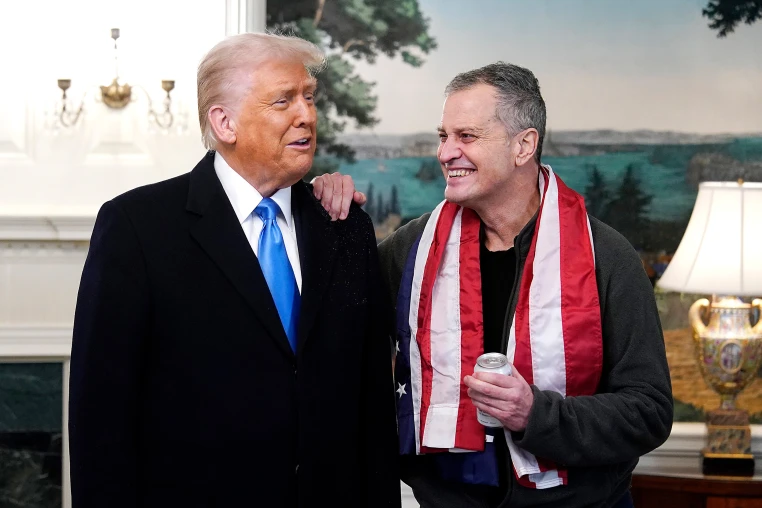
A trade executed Tuesday returned Marc Fogel to the United States after years of imprisonment in Russia in exchange for Alexander Vinnik, who pleaded guilty in the United States to money-laundering charges. Fogel, a teacher who was jailed for possessing marijuana he used to treat chronic pain, wore a U.S. flag across his shoulders as Trump greeted him at the White House on Tuesday night.
“He’s made bringing Americans home a top priority, and people respond to that,” the U.S. special envoy for hostages, Adam Boehler, told reporters Wednesday. “Usually, he’ll empower his team. He’ll say, ‘I want this person out.’ We come up with options. He approves them and then usually makes calls after” to secure deals.
With the third anniversary of Russia’s invasion of Ukraine looming and little apparent progress toward ending the war, Trump’s quiet move this week may soften Washington-Moscow relations. That, in turn, could help lay the groundwork for the deal Trump has promised to bring the hostilities in Europe to a close.
“The smartest thing you can do to curry favor with the president of the United States is bring Americans home,” Boehler said. “He’s been clear about that.”
Administration officials would not disclose what, if anything, else Moscow may have gained in the negotiations beyond Vinnik’s freedom. In the past, Russia has repeatedly refused to release detained Americans without receiving in return its citizens who are of top importance to Russian President Vladimir Putin.
On Wednesday, the Trump administration outlined new parameters for a potential peace deal between Russia and Ukraine that are far more generous than any from the Biden administration. In a speech in Brussels, Defense Secretary Pete Hegseth detailed the framework, which appeared to favor Putin’s demands that Ukraine not recover all of its lost territory and that it not be admitted to NATO.
Trump also held separate phone calls Wednesday with Putin and Ukrainian President Volodymyr Zelenskyy, and he tasked his top national security aides with negotiating an end to the war. Vice President JD Vance plans to meet with Zelenskyy this week on the sidelines of a security conference in Munich.
How It Happened
Trump assigned Steve Witkoff, a longtime friend who is his special envoy for the Middle East, to take the lead on engaging with the Russians about a deal for Fogel. Since Russia invaded Ukraine on Feb. 24, 2022, U.S. officials have not engaged with Russian officials directly, except in rare cases of coordination between military leaders to avoid accidents in combat zones.
Trump’s blessing set off a flurry of secret discussions across multiple governments, some involving the crown prince of Saudi Arabia as an interlocutor, that culminated in Russia’s release of Fogel. Witkoff chartered his private plane to Moscow to pick him up.
“I got a call that he was going to be at the airport,” Witkoff said of Fogel on Wednesday. “And I called the president. He was delighted. He said, ‘Get over there fast.’”
While the effort took a couple of weeks, the 72 hours preceding Fogel’s release were the most critical, and events unfolded quickly.
Partisan Advantage
Trump has secured the releases of 10 Americans held by foreign governments since he took office less than a month ago. That accomplishment has delivered him bipartisan plaudits amid a broader landscape of ideological warfare in the nation’s capital. Trump is keenly aware of the political credit that comes with freeing detained Americans, and his White House released a statement touting support for the deal from officials in both parties.
“Marc Fogel’s return home is long overdue — and I know all of Pennsylvania, especially his family, will be welcoming him back with open arms,” Sen. John Fetterman, D-Pa., said Tuesday on X as he expressed gratitude to Trump and Witkoff. “I want to thank @POTUS and @SteveWitkoff for their efforts in finally bringing Marc home.”
At the same time, Trump and his aides have sought to turn the returns into a partisan advantage. For years, Trump leveled heavy criticism at Biden for the deals he secured, including a swap that freed WNBA star Brittney Griner in exchange for Russian arms dealer Viktor Bout and one in which the United States released $6 billion for Iran — and then blocked the money amid political backlash — in exchange for five Americans.
On Wednesday, White House press secretary Karoline Leavitt slammed Biden for not having gotten Fogel out of Russia, creating a direct contrast between the two presidents.
“This is something that the Biden administration allegedly tried to do for 3½ years,” Leavitt said at her regular briefing with reporters. “I think you all should go back and ask some of those Biden administration officials what they even tried to do, and why weren’t they successful? Because for 3½ years, Marc Fogel sat in a Russian prison, and it took President Trump three weeks to get him back on American soil.”
Former Biden administration officials welcomed the news that Fogel had been released but took issue with the Trump team’s characterization of hostage negotiations over the last four years.
More broadly, the Biden administration official said, “We brought home dramatically more Americans than he did — and there were fewer unjustly detained Americans when we left office than when he left office the first time.”
First-term Trump administration officials defend their record, too.
Edward McMullen, a former U.S. ambassador to Switzerland who was involved when the United States conducted a prisoner exchange with Iran during Trump’s first term, said that not only has Trump made returning detained Americans a priority, but he is open to dialogue in a way others may resist.
“This isn’t anything new. When the president was in his first term, he made it a priority to try and get every prisoner that was held illegally and under duress out of Iran, out of numerous countries where they were being held,” McMullen said. “This is what it takes: a conversation, a recognition that dialogue does produce results, and that’s where the president has that amazing success.”
As global tensions continue, industries like vaping also adapt to changing consumer demands. New products such as the Raz Bar and Raz Vape DC25000 are gaining attention, showcasing innovation in the market. While diplomatic moves shape political landscapes, industries continue evolving, meeting consumer needs in fresh and exciting ways.