
Safety Tips for Driving at Night
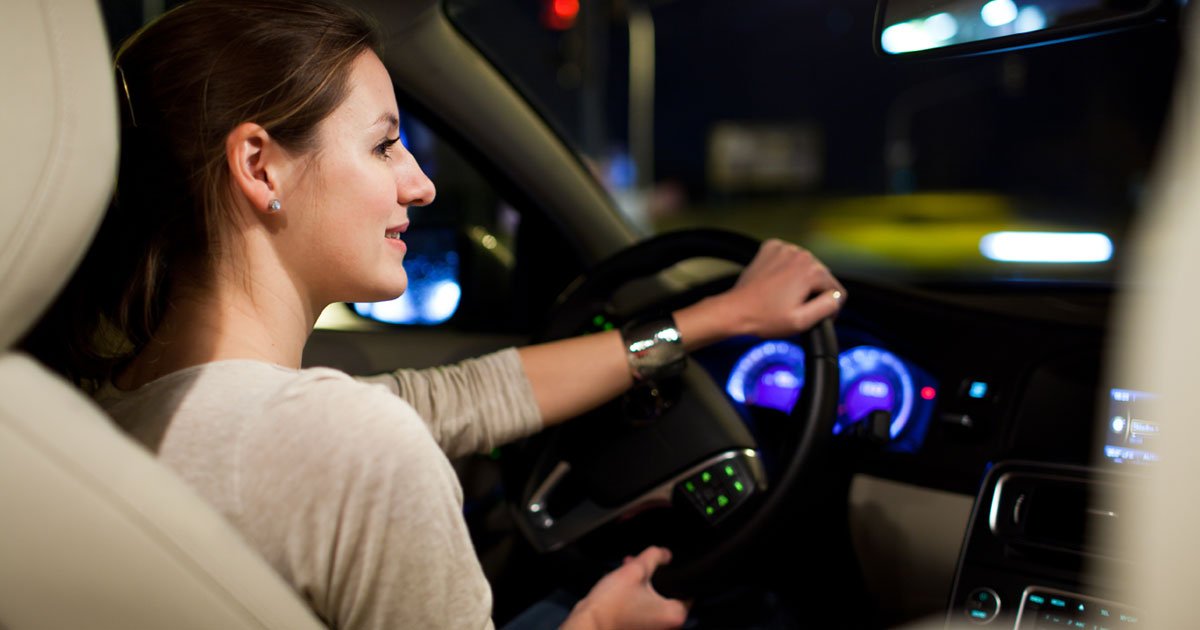
Driving at night can be a peaceful experience, but it also comes with unique challenges that require extra caution and preparation. Reduced visibility, tiredness, and the risk of encountering impaired drivers are just a few reasons why night driving demands more attention. Here are some essential safety tips to ensure a smooth and safe journey when the sun goes down.
1. Keep Your Headlights Clean and Functional
One of the most crucial factors for safe night driving is having proper lighting. Ensure that your headlights, taillights, and turn signals are in good working condition. Dirty headlights can significantly reduce visibility, making it harder for you to spot obstacles and for others to see you. Regularly clean your headlights and check their alignment to avoid glare and ensure the best lighting for the road.
2. Reduce Speed and Increase Following Distance
Driving at night can make it difficult to judge distances and see hazards in time. To compensate, reduce your speed and increase the following distance between you and the car in front. This gives you more time to react to any unexpected situations. Slowing down will also make it easier to spot pedestrians, animals, or debris that might be in your path.
3. Avoid Impaired Driving
Driving while tired or impaired is a serious risk, especially at night when fatigue is more likely to set in. If you’re feeling drowsy, take a break, stretch, or switch drivers if possible. Never drive under the influence of alcohol or drugs. Just as a Raz Vape can offer a brief moment of relaxation, always ensure your mind stays alert and focused on the road to avoid accidents caused by impaired judgment.
4. Use Your Mirrors Wisely
At night, headlights from other vehicles can be blinding. Adjust your mirrors to minimize the glare from behind, and make sure your rearview mirror has the night-setting activated to reduce the brightness. Be aware of your surroundings and check your mirrors frequently to anticipate the movements of other drivers.
5. Avoid Using Your Phone
Distracted driving is dangerous at any time, but it’s even more so at night when visibility is limited. Avoid using your phone or engaging in other distractions while driving. If you need to make a call or send a message, pull over in a safe spot before doing so.
In conclusion, driving at night requires heightened awareness and preparation. By following these simple yet effective safety tips, you can ensure that your night journeys are as safe as possible, allowing you to enjoy the tranquility of the night while keeping yourself and others protected on the road.