Trump’s Policies: Then and Now
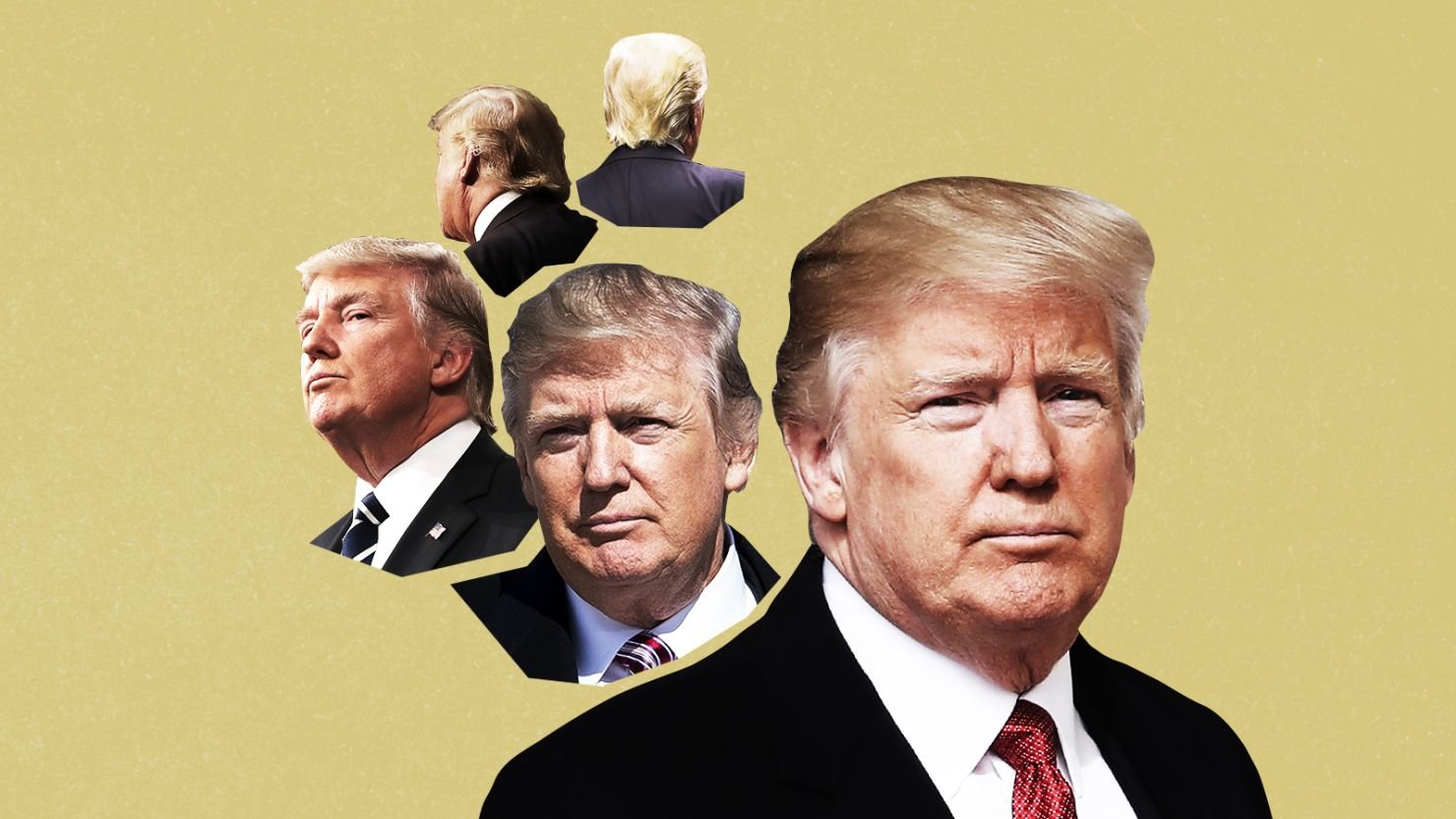
Donald Trump’s political journey has been a defining feature of American politics in the 21st century. As the 45th president of the United States, his tenure saw dramatic shifts in various policies, from economics to immigration, healthcare, and international relations. Trump’s approach to governance was often marked by a sense of unpredictability, with policies that upended traditional political norms. Over time, the consequences of these policies have reverberated across the globe, with both supporters and critics evaluating their long-term effects.
Trump’s Economic Policies: From Tax Cuts to Trade Wars
One of the cornerstones of Donald Trump’s presidency was his ambitious economic agenda, designed to stimulate growth and reinvigorate American businesses. The hallmark of his economic strategy was the Tax Cuts and Jobs Act of 2017, which slashed corporate tax rates and promised to bring jobs back to the United States. The law was marketed as a way to make American businesses more competitive on the global stage, though critics argued that it disproportionately benefited the wealthy and added to the national deficit.
In addition to tax reforms, Trump’s trade policies focused heavily on renegotiating trade deals to favor American interests. The administration’s confrontational approach towards China led to a series of tariffs that strained relations between the two largest economies in the world. The “trade wars” resulted in short-term economic pain, but some argue that they paved the way for new trade agreements, such as the United States-Mexico-Canada Agreement (USMCA). Whether these policies will provide lasting benefits to American workers remains a subject of ongoing debate.
Immigration Policies: A Shift in Priorities
Trump’s stance on immigration was one of the most divisive aspects of his presidency. From the moment he announced his candidacy, immigration was at the forefront of his political platform. The promise to “Build the Wall” along the U.S.-Mexico border became a defining rallying cry for his supporters. The physical barrier, however, became emblematic of a larger shift in U.S. immigration policy. Under Trump, the administration took a hardline stance, focusing on stricter border enforcement and reducing the flow of undocumented migrants.
The Trump administration also sought to limit refugee admissions and implemented policies that drastically changed the asylum process. One of the most controversial actions was the “zero-tolerance” policy that led to the separation of families at the border. These measures were criticized for their inhumanity and for violating international norms regarding the treatment of refugees. While some of these policies have been rolled back by the Biden administration, the fundamental shift in immigration philosophy remains.
Foreign Policy: Unconventional Diplomacy
Trump’s foreign policy approach was often described as unconventional. A key feature of his diplomacy was a retreat from multilateralism and a pivot toward “America First” policies. One of the most significant decisions was the withdrawal from the Paris Climate Agreement in 2017, a move that was criticized globally for undermining efforts to combat climate change. Trump argued that the accord placed undue burdens on the U.S. economy, particularly in sectors like energy, and that it unfairly benefited other countries.
In contrast to his skepticism of international agreements, Trump engaged in unprecedented diplomacy with North Korean leader Kim Jong-un. The summits between the two leaders were marked by dramatic gestures, such as Trump stepping into North Korea, a gesture not seen from any other U.S. president. Trump’s relationships with Russia and its leader, Vladimir Putin, also sparked controversy, with critics alleging that Trump’s rhetoric and actions seemed to favor Russian interests over those of the U.S. While some hailed his efforts to bring a new approach to diplomacy, others questioned the long-term implications of his isolationist tendencies.
Healthcare and Environmental Policies: A Changing Landscape
Healthcare and environmental policies under Trump were marked by a consistent drive to undo the achievements of his predecessors. The Affordable Care Act (ACA), also known as Obamacare, was a primary target of Trump’s administration. Despite numerous attempts to repeal the ACA, the law remained largely intact, though significant changes were made, such as the removal of the individual mandate penalty. These efforts were part of a broader Republican push to reduce government involvement in healthcare, though the ultimate impact on access to care remains debated.
Environmental policy under Trump saw sweeping deregulations, particularly in the areas of clean air and water standards. The administration rolled back restrictions on coal production and sought to weaken the Environmental Protection Agency (EPA). While these actions were praised by industries such as fossil fuels, environmentalists warned that they would have long-lasting negative effects on public health and the planet. With the change in administration, many of these policies have been reversed, but the damage to regulatory frameworks may have lasting repercussions.
Trump’s Influence on the Vape Industry: Raz Vape Flavors and Regulatory Challenges
One area of policy that has had a lasting impact on youth culture and health is Trump’s approach to vaping. The rapid rise of e-cigarettes, particularly flavored varieties like Raz vape flavors, was both a boon for the vaping industry and a public health concern. In the early years of Trump’s presidency, the FDA’s regulatory stance on vaping was relatively lax, allowing companies to market products like Raz vape flavors to a broad audience, including teenagers.
However, as concerns over youth vaping increased, the administration began to tighten regulations. In 2019, Trump announced plans to ban most flavored e-cigarettes, a response to mounting evidence linking flavored products to increased youth use. While this ban has faced significant pushback, particularly from the vaping industry, it illustrates the growing tension between public health initiatives and the economic interests of businesses. The future of flavored vape products, including Raz vape flavors, remains uncertain as the regulatory landscape continues to evolve.