What Role Do Social Media Platforms Play in the USA?
In today’s digital age, social media platforms have become a significant part of everyday life in the USA. These platforms have revolutionized how individuals communicate, consume information, and interact with businesses and brands. From Facebook to Instagram, Twitter to TikTok, social media is no longer just a way to stay connected with friends and family but has evolved into a powerful tool that influences nearly every aspect of society. This blog explores the role social media platforms play in the USA, examining their impact on communication, politics, business, and entertainment, as well as their influence on consumer behavior and trends.
The Growth of Social Media in the USA
Social media has experienced rapid growth since the early 2000s. With platforms like Facebook, Twitter, and Instagram gaining massive popularity, millions of Americans now use these services daily. According to recent studies, over 70% of adults in the United States use at least one form of social media, with some individuals active on multiple platforms throughout the day. The widespread adoption of smartphones has made social media more accessible than ever, enabling users to engage with content from virtually anywhere.
Social media platforms have become integral to American culture. They offer users the ability to stay in touch with friends, share life updates, and participate in virtual communities. However, the influence of these platforms goes far beyond personal connections. Social media has become a driving force behind political discourse, brand marketing, and even social movements.
The Role of Social Media in Communication
Social media has fundamentally changed how people communicate in the USA. Traditional forms of communication, such as phone calls, face-to-face meetings, and even email, have been overshadowed by instant messaging and social networking. Platforms like Facebook and Instagram allow individuals to interact with others in real-time, whether through direct messages, comments, or posts. These interactions often transcend geographic boundaries, enabling users to communicate with friends, family, and colleagues around the world.
In addition to personal communication, social media has become a primary source of news and information. Many Americans now turn to platforms like Twitter and Facebook for updates on current events, breaking news, and even weather alerts. News outlets and journalists have embraced social media as a tool for reaching larger audiences, enabling real-time reporting and the dissemination of information. As a result, social media has become a critical channel for public discourse, where people can discuss everything from politics to entertainment to sports.
Social Media’s Influence on Politics
The role of social media in politics has grown immensely over the past decade. In the USA, platforms like Twitter and Facebook have been instrumental in shaping political conversations, particularly during election seasons. Political candidates, government officials, and advocacy groups use social media to communicate directly with the public, bypassing traditional media channels. This direct communication has allowed politicians to engage with voters in ways that were previously unimaginable.
The influence of social media on political campaigns was most prominently demonstrated during the 2016 U.S. Presidential Election. Candidates like Donald Trump and Bernie Sanders used social media to mobilize their supporters, share campaign messages, and engage with voters. Social media also played a significant role in shaping public opinion, as viral posts and hashtags helped spread political ideologies and rally people to action. However, the role of social media in politics has also raised concerns about misinformation, fake news, and foreign interference in elections.
Despite these challenges, social media platforms continue to be a vital tool in political engagement. They enable politicians to reach a wide audience, share their views, and influence public discourse. Social media has also provided a platform for grassroots movements, enabling citizens to organize protests, advocate for social change, and push for policy reform.
Social Media’s Impact on Business and Marketing
In addition to its role in communication and politics, social media has transformed the world of business and marketing in the USA. Companies across all industries now leverage platforms like Instagram, Twitter, and TikTok to promote their products and services, engage with customers, and build brand loyalty. Social media has opened up new avenues for businesses to reach their target audiences, allowing them to advertise directly to potential customers through targeted ads and influencer partnerships.
Social media platforms provide businesses with invaluable data about consumer behavior. Through likes, shares, comments, and engagement metrics, companies can gain insights into what their customers want and how they feel about certain products. This data helps businesses refine their marketing strategies, tailor their messaging, and improve customer satisfaction.
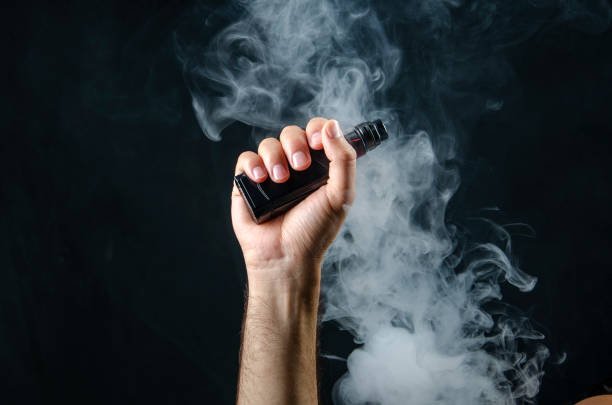
One key example of social media’s impact on business is the vape industry. Brands like Raz Vape Flavors have used social media platforms to introduce new products, promote discounts, and engage with their customer base. Vape companies often rely on influencers and social media marketing campaigns to create buzz around their products. Platforms like Instagram and TikTok allow brands to showcase their flavors and designs in creative ways, attracting a younger, trend-conscious audience. Social media also allows businesses in the vape industry to connect directly with consumers, answer questions, and gather feedback.
The rise of e-commerce has also been fueled by social media, as platforms like Instagram and Facebook have introduced shopping features that enable users to purchase products directly from their feeds. Social media platforms have become a powerful sales channel, giving businesses the ability to reach consumers in new and innovative ways.
Social Media and Entertainment
Social media plays a significant role in the entertainment industry as well. Platforms like YouTube, TikTok, and Instagram have become primary sources of entertainment for millions of Americans. These platforms offer a space for content creators, musicians, comedians, and influencers to share their work with a global audience. Social media has democratized the entertainment industry, allowing anyone with a smartphone and an internet connection to create content that could potentially go viral.
The rise of TikTok, in particular, has changed the landscape of music and viral trends. Artists and songs can become overnight sensations due to the viral nature of the platform’s algorithm, which amplifies content that gains traction quickly. TikTok challenges, dance routines, and lip-sync videos have created new trends that spread rapidly across the platform and beyond.
Social media also provides a platform for fans to engage with their favorite celebrities, TV shows, and movies. Actors, musicians, and influencers interact with their followers through posts, stories, and live streams, creating a sense of connection and engagement. Social media has made entertainment more interactive, allowing fans to directly influence the success of content through likes, shares, and comments.
The Dark Side of Social Media
While social media has brought numerous benefits to communication, business, and entertainment, it also has its drawbacks. One of the most significant concerns is the impact of social media on mental health. Studies have shown that excessive use of social media can lead to issues like anxiety, depression, and loneliness, particularly among teenagers. The pressure to maintain a perfect online persona, combined with the constant stream of comparisons, can negatively affect self-esteem and body image.
Social media has also been criticized for contributing to the spread of misinformation, fake news, and harmful content. The viral nature of social media means that inaccurate or misleading information can spread quickly, leading to confusion and distrust among the public. Platforms like Facebook and Twitter have faced criticism for their role in amplifying conspiracy theories, political polarization, and false narratives.
Another issue is the rise of cyberbullying and online harassment. Social media provides a platform for individuals to target others with hateful or hurtful messages, often anonymously. This has led to a rise in mental health problems, particularly among young people who are vulnerable to online attacks.
Conclusion
Social media platforms play an undeniably important role in the USA, shaping everything from personal communication to politics, business, and entertainment. They have transformed how people interact with one another and with the world around them. While social media has brought numerous benefits, it also comes with its share of challenges, including concerns about mental health, misinformation, and online harassment. As social media continues to evolve, it will be important to find a balance between harnessing its positive potential and addressing its negative effects. Understanding the impact of social media on various aspects of society is crucial for navigating the digital age responsibly and effectively.